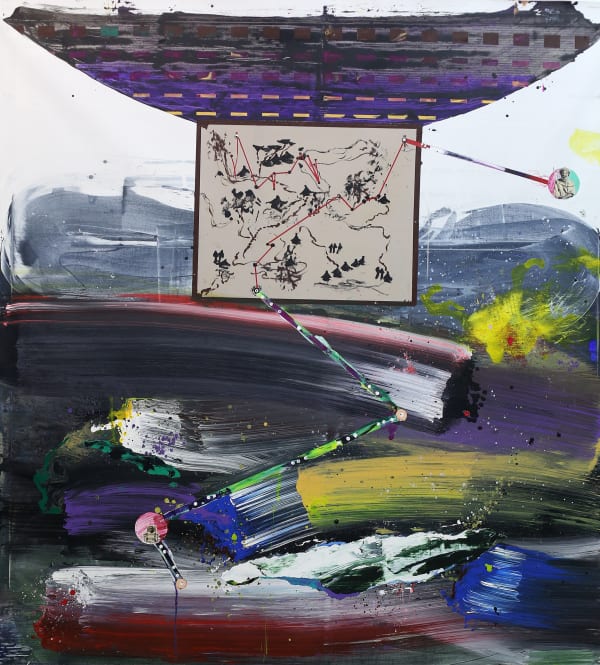
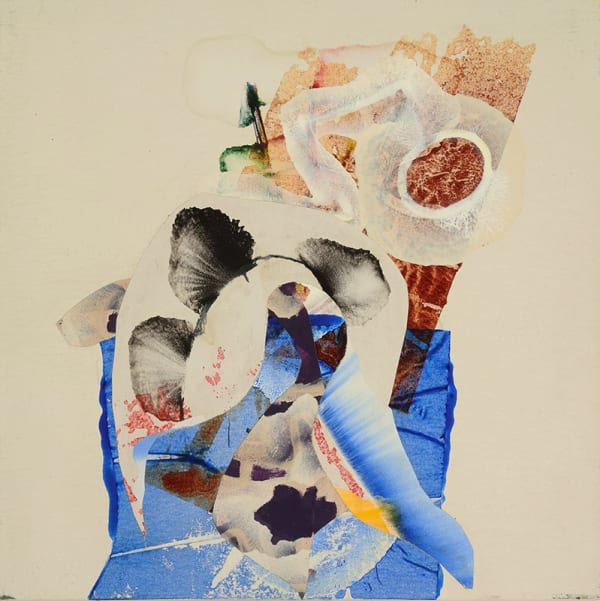
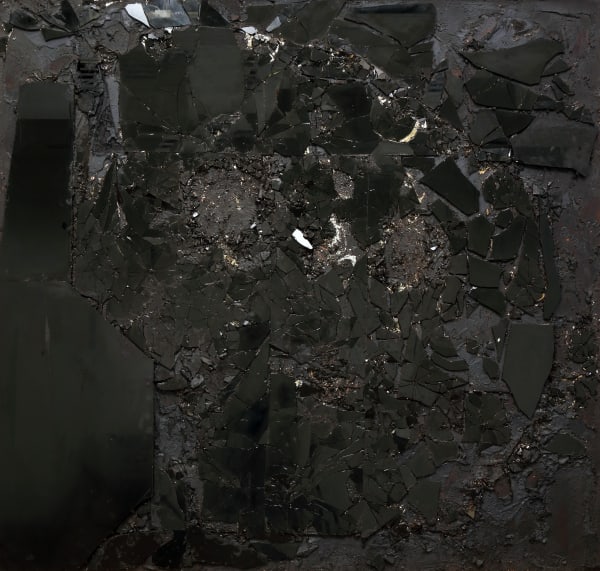
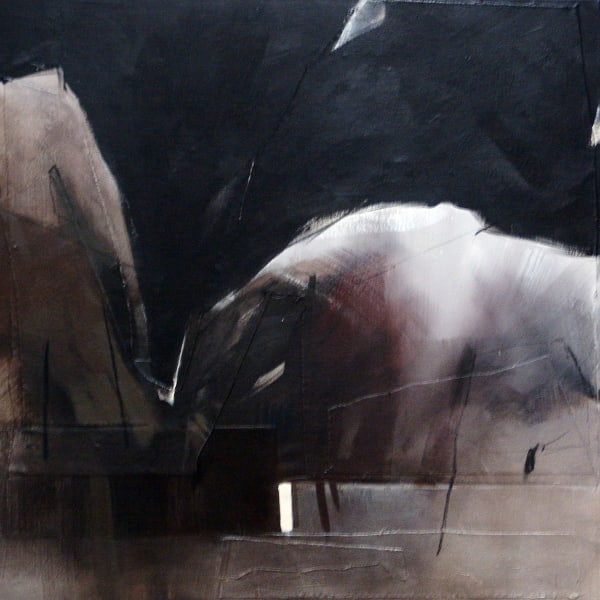
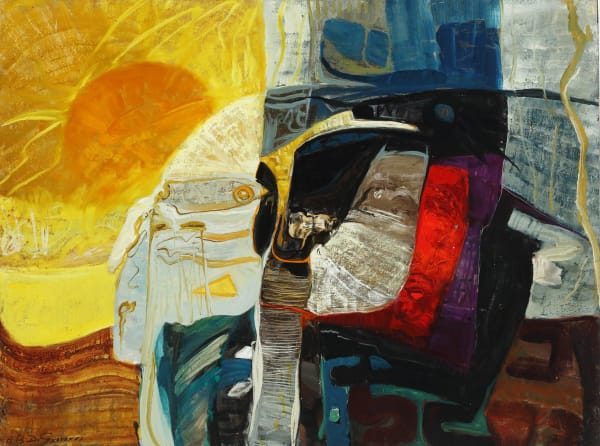
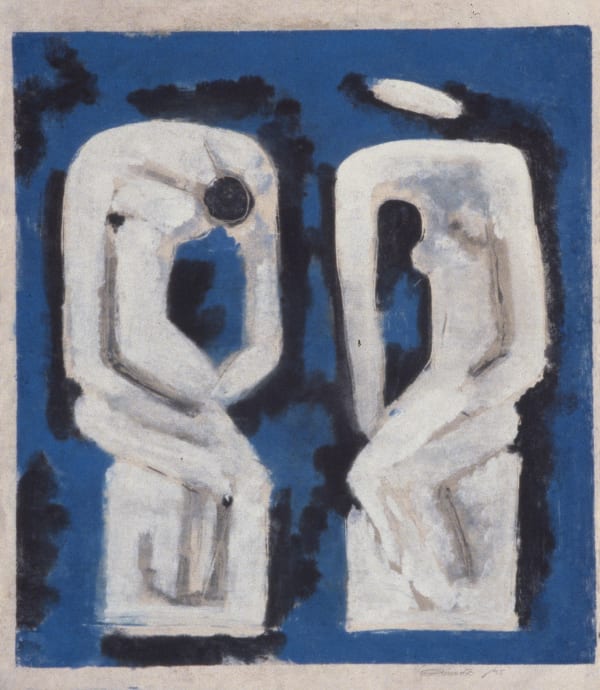
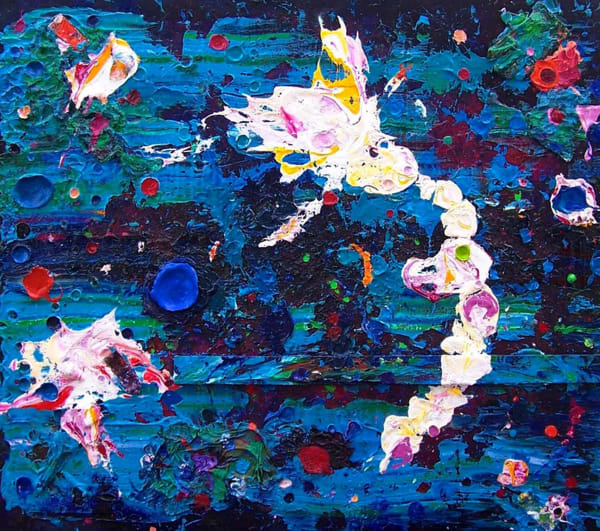
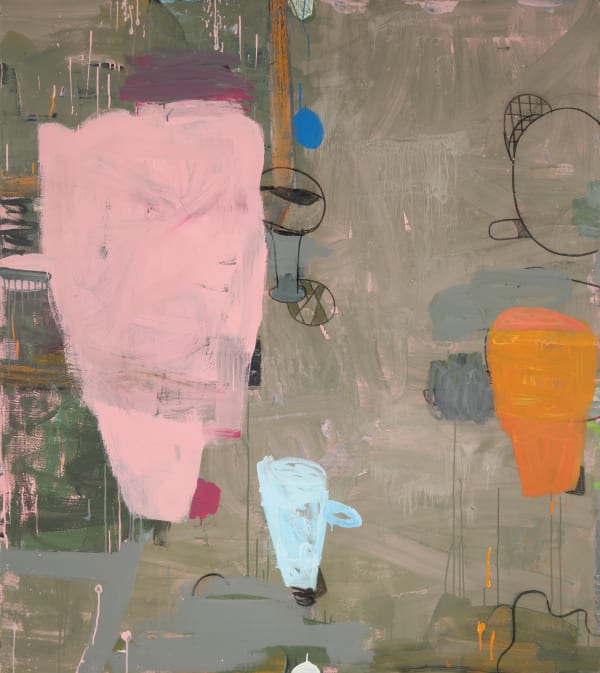
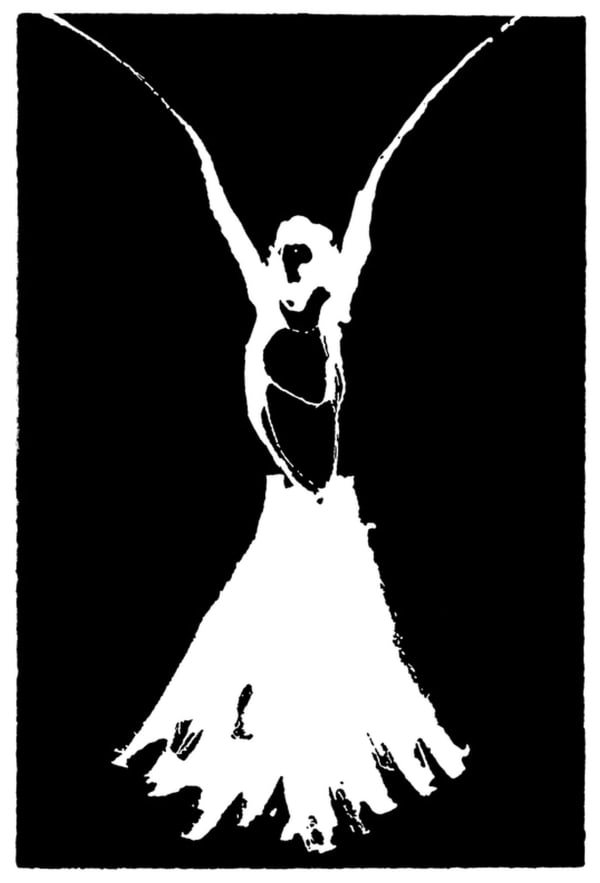
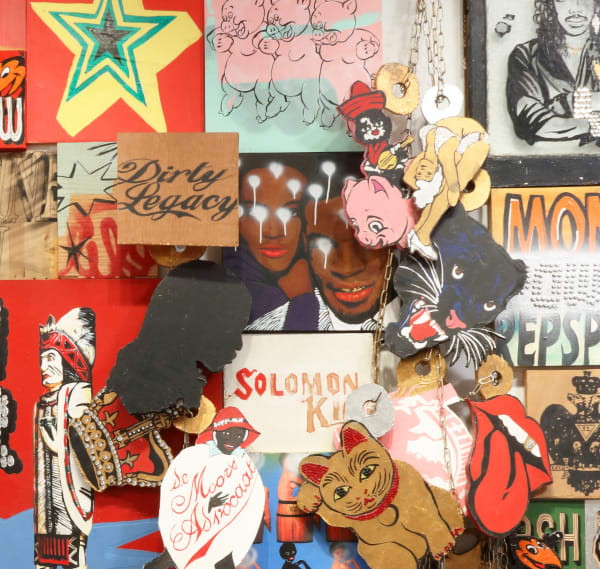
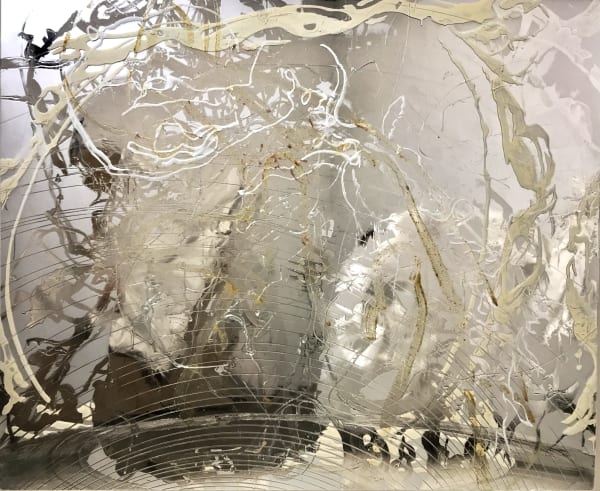
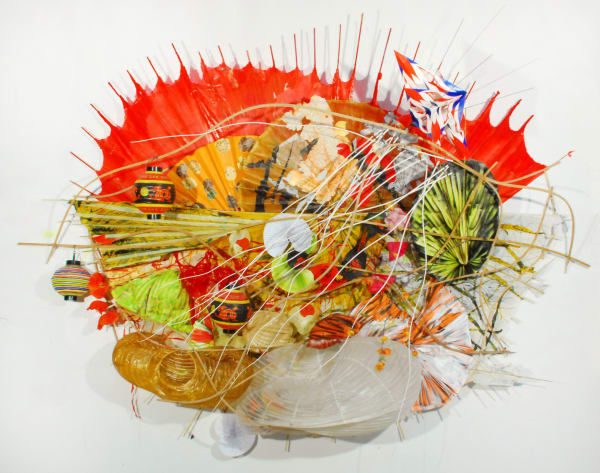
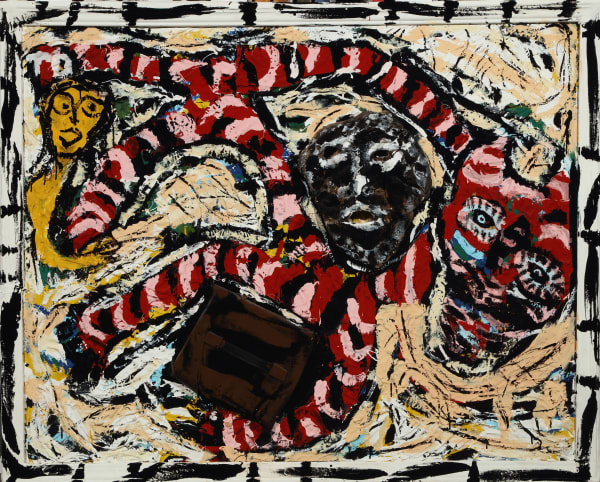
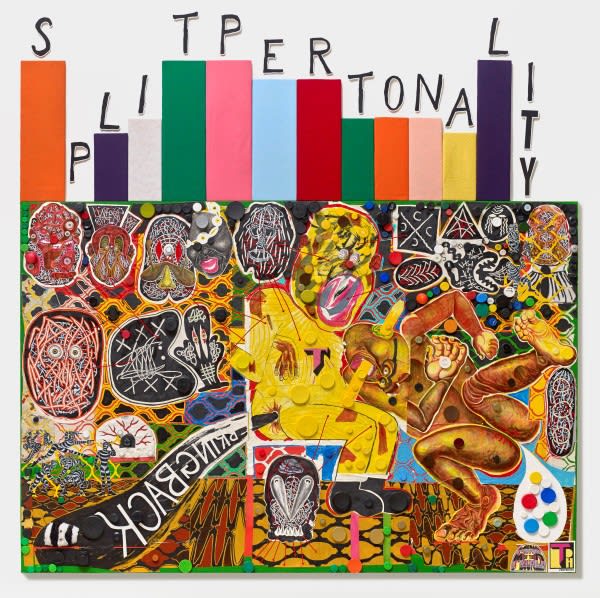
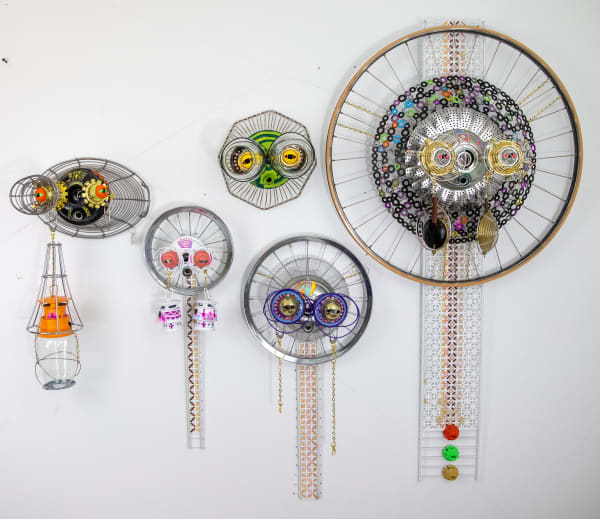
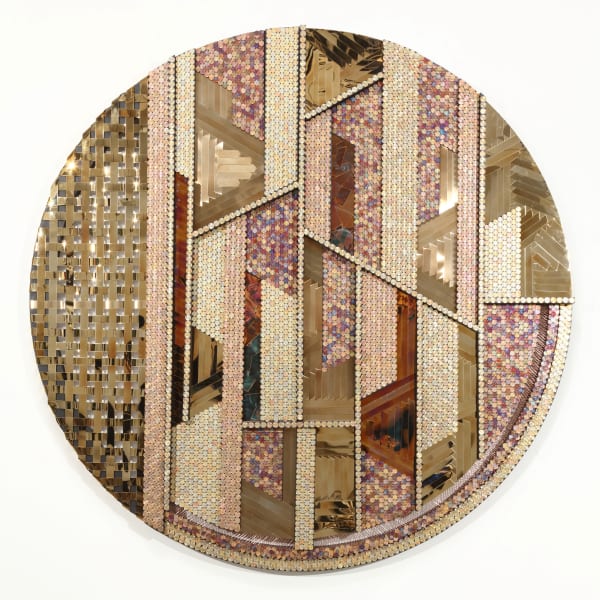
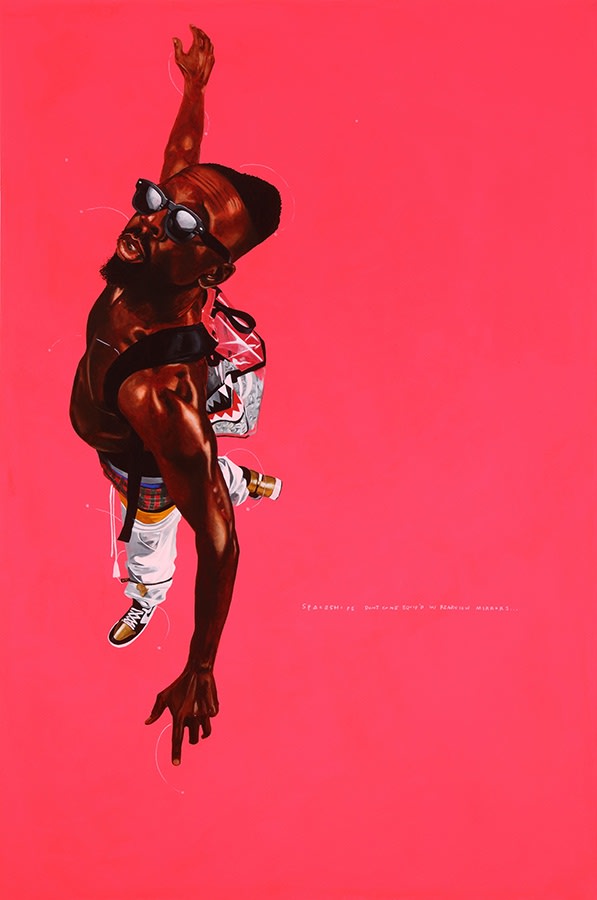
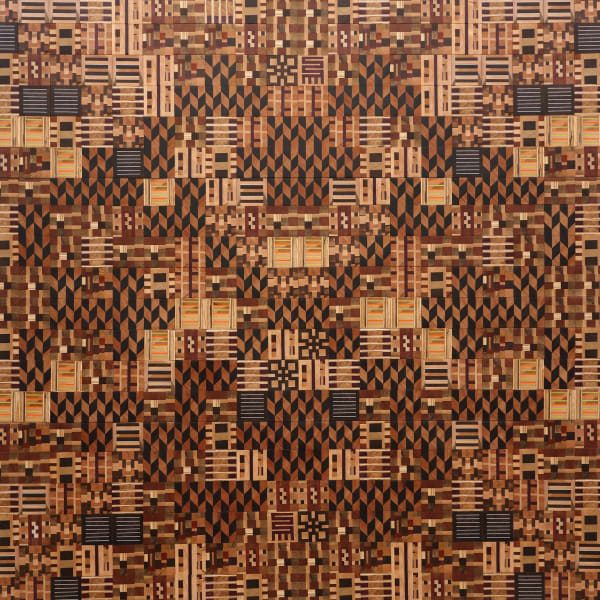
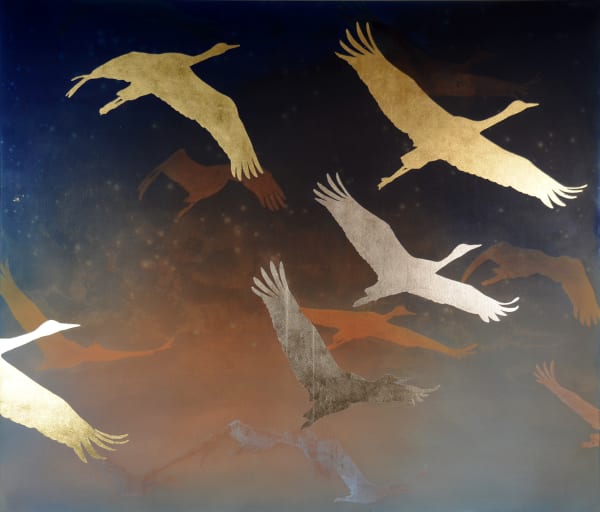
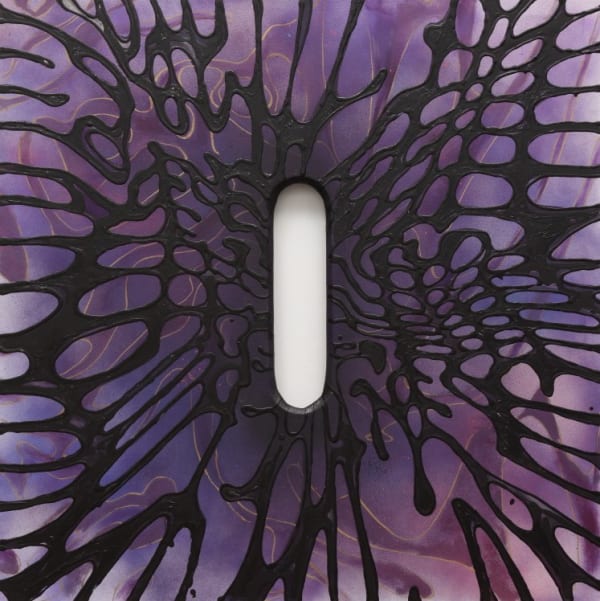
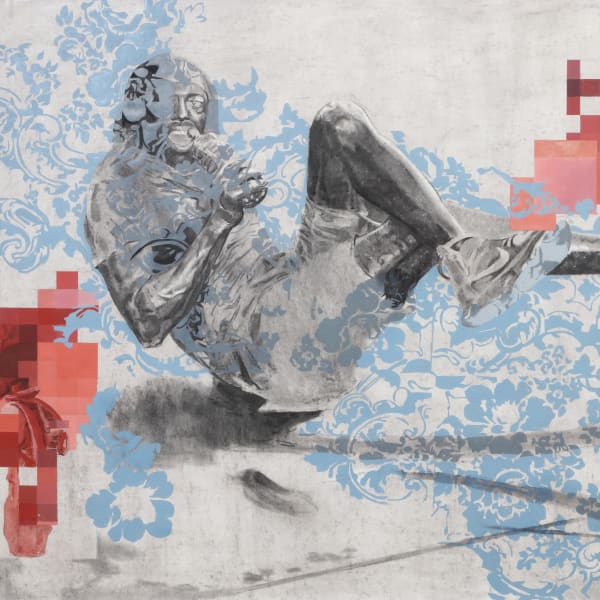
From childhood on, Dial built “things” using whatever he could salvage, recycling even his own work to reuse materials in new creations. Dial referred to what he made only as “things,” though late in life he found out that others call them “art.” Having developed during the era of racial segregation, Dial’s style is both personal and culturally rich, and it speaks with a resolute voice that was denied him through the years as a black factory worker. In Dial’s art, intense surfaces, multilayered narratives, shifting compositional relationships and a metaphysical concern with issues of recycling and ancestry exist hand in hand with an ironic, earthy wit and an almost religious determination to make art’s complexities and mysteries central to the human understanding of reality. Dial works from within southern African American vernacular traditions, the same cultural impulse that gave birth to blues, jazz, and rock n’ roll. From these roots has emerged an epic, twenty-first-century art whose sophistication and ambition confound all aesthetic categories. Dial’s art transcends labels and bankrupts dichotomies between “fine” and “folk,” “inside” and “outside,” “high” art and “low.”

BIO
Born 1928

Born in a cornfield to an unwed teenage mother, Dial grew up in rural Emelle, in Alabama’s western flatlands. He began full-time farm work at age five and managed to attend school only rarely. On the eve of World War II, he was sent to live with relatives in Bessemer, just outside Birmingham. There, he married, raised a family, and worked for half a century in heavy industry, building highways, houses and ultimately boxcars during a thirty-year stint at the Pullman Standard Plant. Dial’s life encompasses many of the most consequential episodes in twentieth-century African-American life–sharecropping in the Black Belt, migration from country to city, the upheavals of the civil rights era, and the ethnic conundrums of a rapidly changing postmodern America. As John Beardsley writes, “Dial’s life is inseparable from history, because he has made it his business as an artist to be a historian. Dial lived history, then he represented it in paintings and sculptures….”


© 2010 bill lowe gallery  |  site by visualiti